
















Daily News
August 18, 2026
August 10, 2026
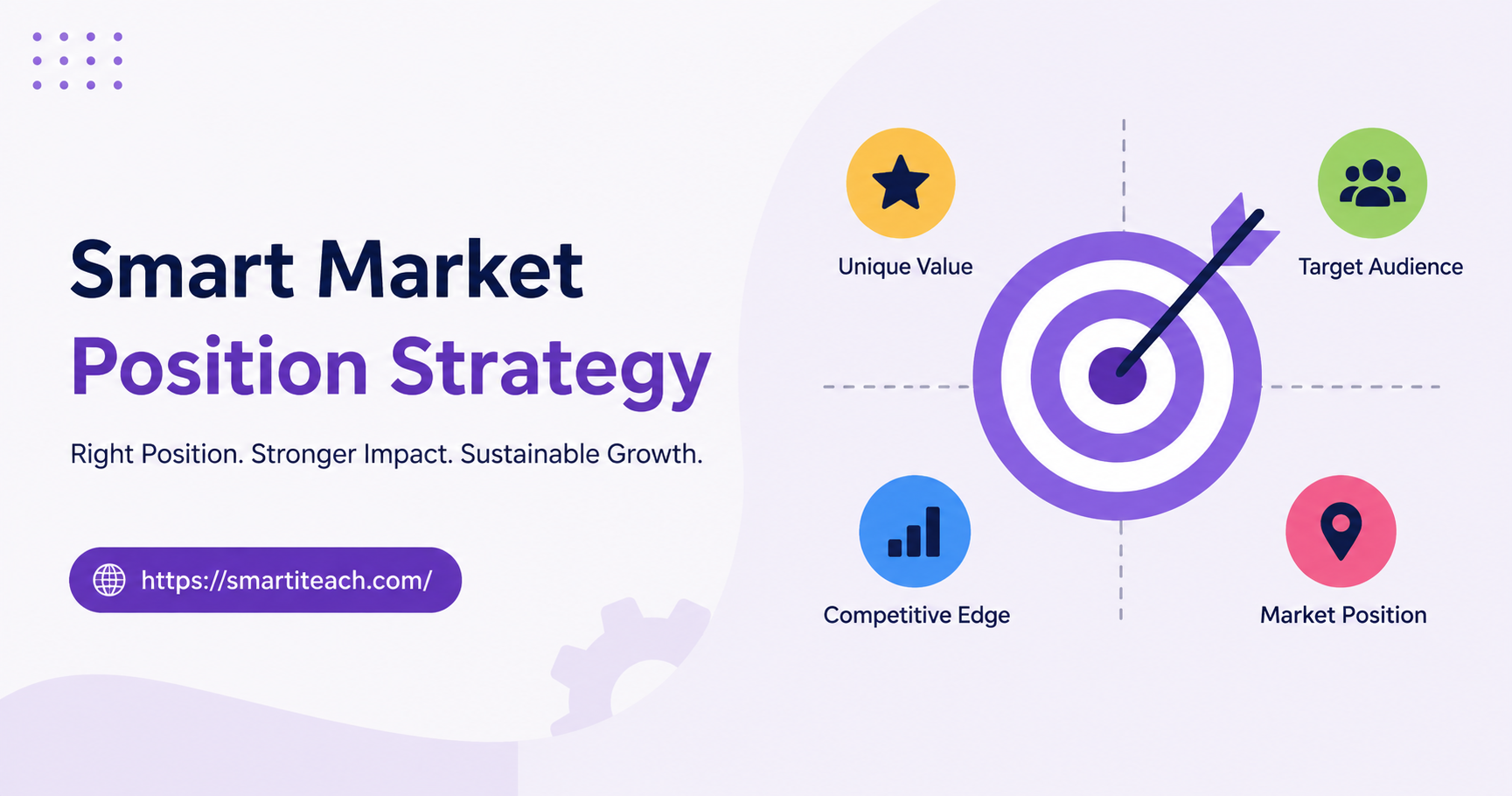
Smart Market Position Strategy
Business Productivity Growth Banner
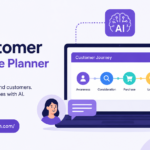
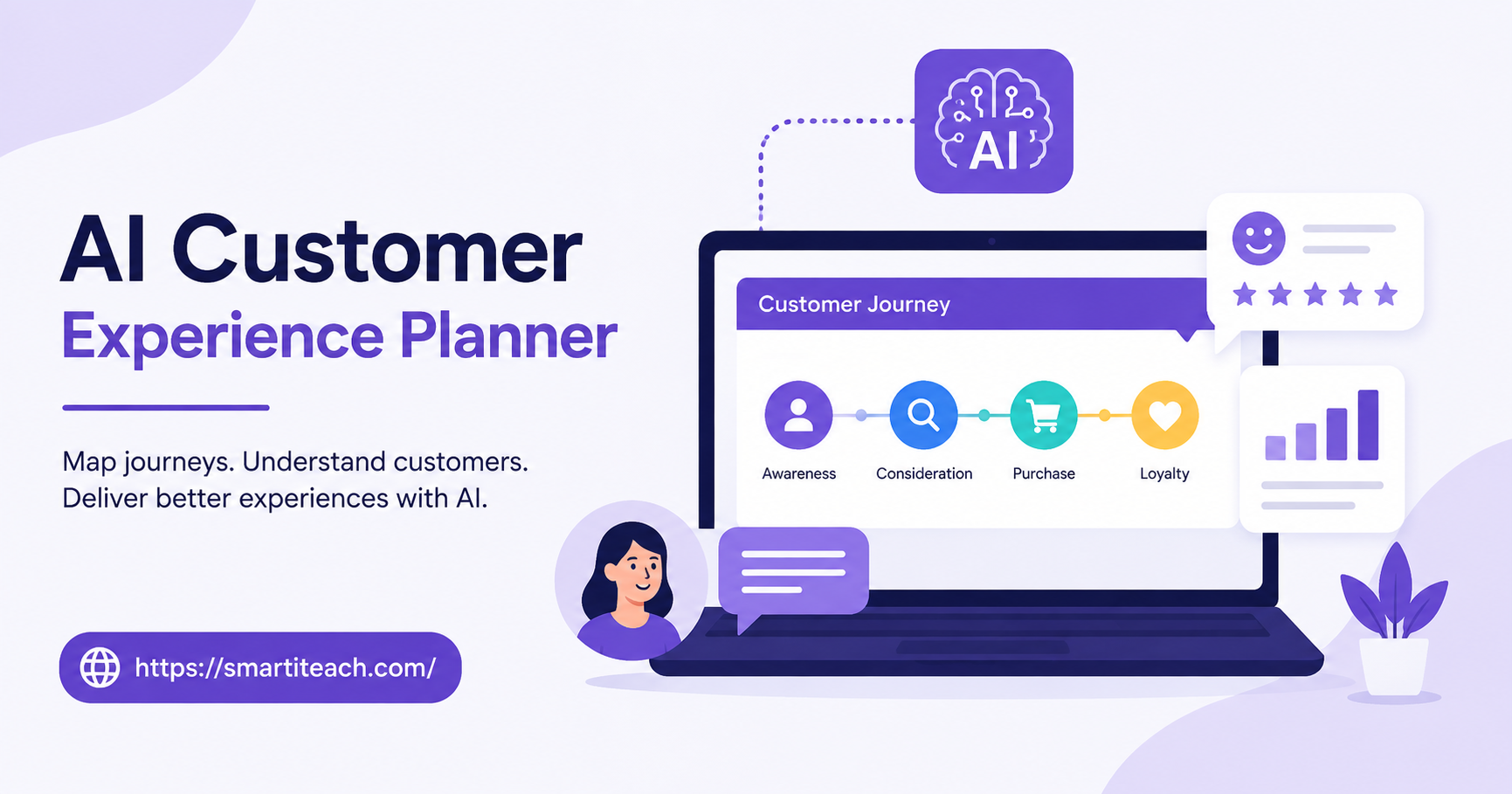
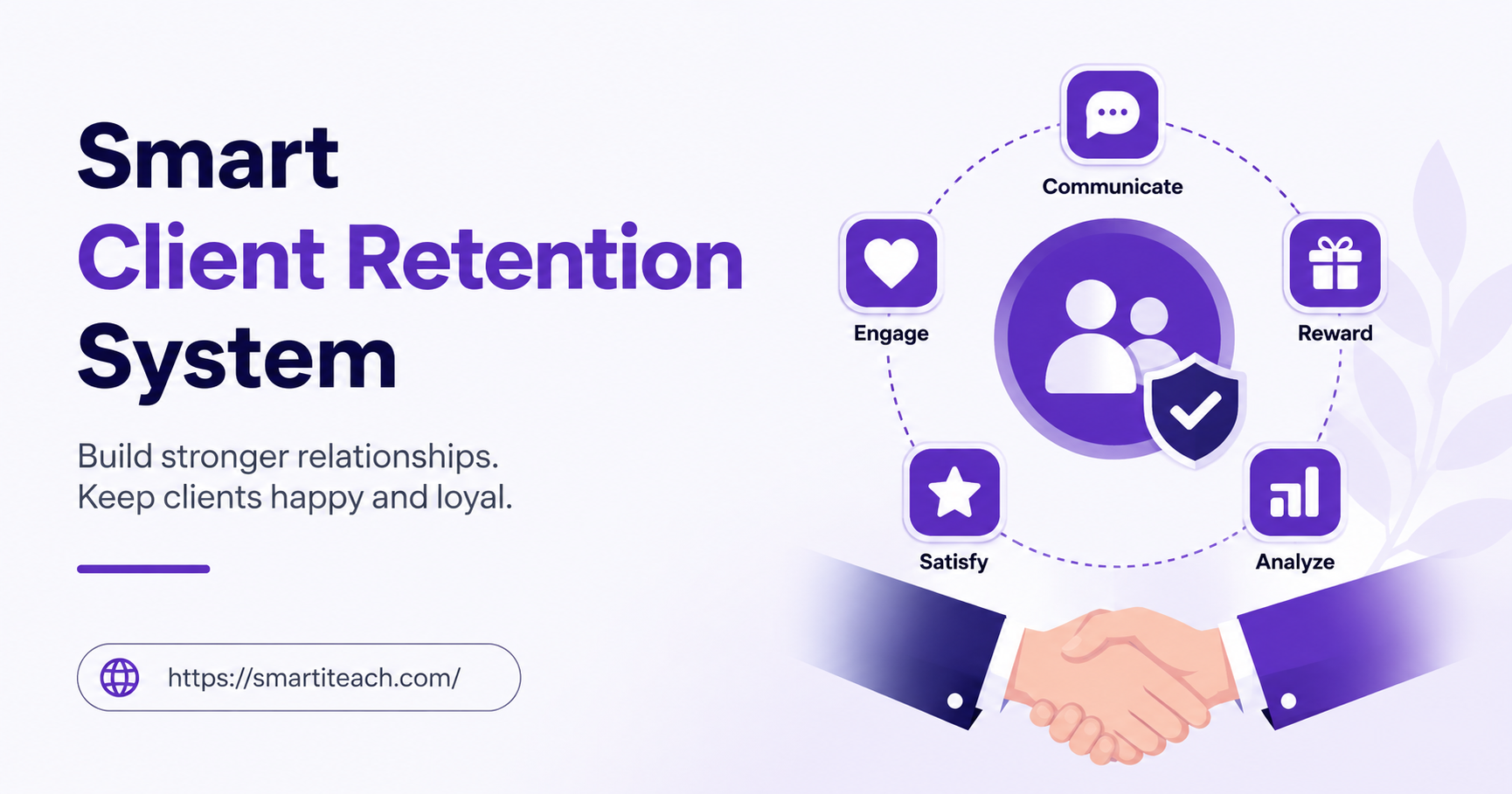
What This Thing Actually Does People expect a lot now. They want a business to remember them, anticipate what they need, and not make them repeat their problem to three different support agents. An AI customer experience planner is basically the tool that tries to make that expectation possible — it pulls data from everywhere a customer touches your business and turns it into something you can act on. A clothing retailer I read about noticed, through one of these systems, that people kept dropping off right at the shipping cost page. Not the payment page. Not the sizing chart. Shipping cost, specifically. A human analyst might've found that eventually, buried in six months of spreadsheets, but the system flagged it almost immediately. They moved the shipping cost earlier in the checkout flow. Abandonment dropped. Simple fix, once someone actually saw the pattern. Why the Old Way of Mapping This Stuff Falls Apart The old method — sticky notes on a whiteboard, quarterly journey map reviews — captures a moment in time and then goes stale almost immediately, because customer behavior doesn't sit still for a quarter waiting for your next review meeting. An AI-driven planner just keeps updating. New data rolls in from the website, from support chats, from a snarky comment on social media, and the system adjusts its picture continuously instead of waiting for someone to schedule a meeting about it. What's Actually Inside One of These Systems Data, from everywhere. CRM records, website clicks, email opens, support tickets, social mentions. Miss one of these and the planner's working with half a picture, which honestly isn't much better than not having it at all. Predictions. The models spot patterns humans would take forever to notice manually — which customers behave like the ones who canceled last quarter, for instance. A telecom company can flag a customer whose usage pattern matches past cancellations and reach out before that customer even thinks about leaving. Sometimes a discount fixes it. Sometimes it's just a technical issue nobody addressed. A picture you can actually look at. Raw data doesn't help a support rep having a bad Tuesday. A visual map showing exactly where customers hit friction, something a marketing person and a product manager can both glance at and agree on — that's what makes the data usable instead of just sitting in a database somewhere. Personalization that happens automatically. Once the system spots a pattern, it can trigger something — an email, a product suggestion, a chatbot reply tuned to that specific customer's history — without a human manually setting each one up individually every time. Actually Setting One Up Start with one clear problem. Not "improve everything" — pick cart abandonment, or slow support resolution, or repeat purchase rate, and go after that first. Check where your data actually lives. This step usually surfaces something annoying — half your customer info in one system, half in another, neither one talking to the other. Fix that before anything else, because a planner built on broken data pipes out broken recommendations. Pick a platform that fits your actual size. A massive enterprise system is overkill for a fifteen-person company, and a scrappy tool won't hold up for a huge retailer processing millions of transactions. Train people, not just the software. A great tool that nobody on the team knows how to read is just an expensive dashboard nobody opens. Pilot it small before rolling it out everywhere. Measure. Adjust. Then expand, once you've actually confirmed it works instead of just hoping it does. Where People Screw This Up Automating too aggressively, too fast — customers still want a real human for the messy, emotional issues, and a planner should support your team, not replace every single interaction with a bot that can't actually resolve anything complicated. Ignoring privacy. People hand over sensitive info because they trust you with it, and that trust evaporates the moment it gets mishandled, which then becomes a much bigger problem than the CX issue you were trying to solve in the first place. Trying to optimize fifteen metrics simultaneously and ending up optimizing none of them well. Pick a few that actually connect to revenue or retention. Trusting the AI's suggestion blindly without a human sanity-checking it. The recommendations are a starting point, not gospel. A Few Examples That Actually Happened A regional airline used one of these systems to catch frustration in customer emails early, before it turned into a public complaint on social media. Escalations dropped noticeably — not overnight, but within a few months of actually acting on the flagged patterns. A furniture retailer stopped showing every visitor the same generic bestseller list and started tailoring suggestions to actual browsing history. Average order value went up. Nothing dramatic, but it added up. A meal subscription company caught likely-to-cancel customers early through churn modeling, sent them a short survey, adjusted meal options based on the answers, and saw retention improve compared to the quarter before. Don't Forget the Human Part None of this replaces empathy. Data shows you patterns; a person still has to decide what those patterns mean and how to respond with actual care instead of a canned message. Companies that treat this tech as a replacement for human connection tend to get pretty hollow results — customers can tell when they're talking to a system pretending to be personal. Companies that use it to free up humans for the harder, more meaningful conversations tend to do a lot better. Where This Is Headed Expectations keep climbing and they're not going to stop. An AI customer experience planner gives a business a fighting chance at keeping up — catching problems early, personalizing things at a scale no team of humans could manage by hand. Voice recognition and sentiment analysis keep getting sharper every year. Businesses that get in early, and pair the tech with actual human judgment instead of blind trust, tend to be the ones still standing when the next wave of customer expectations arrives.
Lean Business Success Framework
Small Business Workflow Blueprint
Build Stronger Customer Relationships