My Meetings Are Full of Things I Don’t Want Uploaded Anywhere. So I Switched to Offline Transcription

There’s a client I work with who talks about layoffs, salary bands, and unreleased product plans in the same breath as scheduling logistics. Regular Tuesday, for them. Nothing unusual. But it made me realize something every time I ran that call through a cloud transcription tool, all of that was leaving the room. Getting uploaded somewhere. Sitting on a server I have zero visibility into.
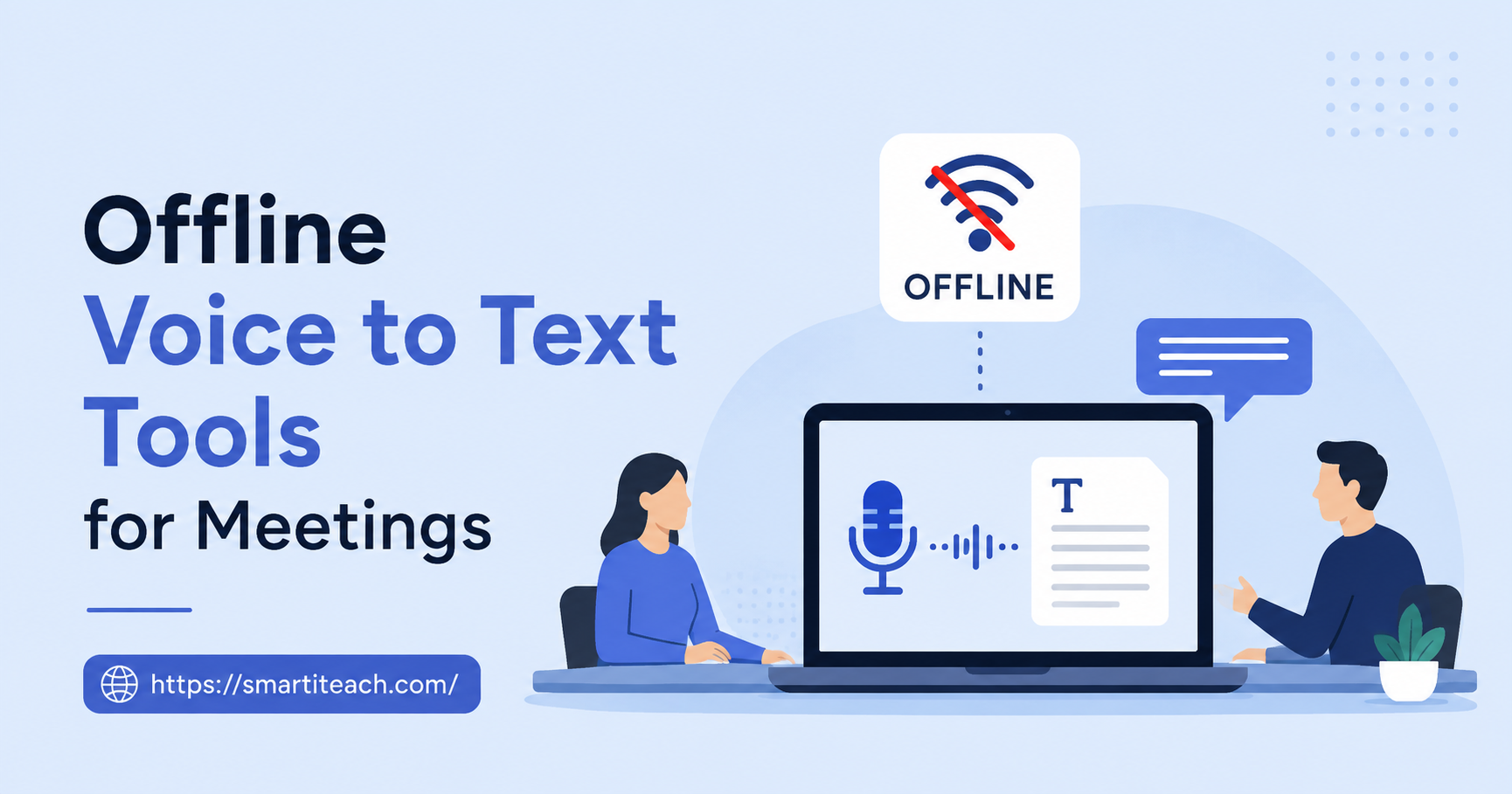
So I went looking for something offline. Software that turns speech into text without sending the audio anywhere first.
Why the “cloud” part actually matters
Most transcription tools record your meeting, send the audio file off to a remote server, process it there, and send the text back to you. That’s the standard flow. Works fine, technically. But that audio file, while it’s traveling and while it’s sitting on that server, is out of your hands.
Think about what actually gets said in a normal work meeting. Client names. Numbers that haven’t been made public. Half-formed opinions about a coworker’s performance that nobody meant to write down permanently. An offline tool keeps the entire process on your device. Recording, processing, output all local. Nothing gets uploaded because there’s nowhere for it to go.
It’s also just more reliable, weirdly
I didn’t expect this part. I figured offline tools would be a downgrade, some kind of compromise you accept for the privacy benefit. Turns out reliability improved too, which I wasn’t expecting at all.
Conference rooms with bad Wi-Fi don’t matter anymore since the software doesn’t need a connection to run. I recorded a call once on a flight no internet at all and the transcript came out fine when I landed. That wouldn’t have worked with the cloud version I used before.
The accuracy question
I’ll be straight with you, early offline tools were rough. Missed words constantly, struggled badly with accents, fell apart completely the second two people talked over each other. That’s improved a lot in the last couple years. Not flawless cross talk still causes issues sometimes, and a thick accent paired with background noise can still trip it up but it’s close enough now that I trust it for real work, not just casual notes.
Some tools go further and separate speakers automatically. Labels each person’s part of the conversation without you doing anything manual. That feature alone saved me probably an hour a week just in not having to guess who said what during the write-up afterward.
Consent still matters, offline or not
Quick thing worth saying clearly: going offline doesn’t change the legal side of recording someone. Plenty of places require every participant to agree before you record a call, and that rule doesn’t care whether the audio ends up in the cloud or stays on your laptop. Ask first. Always. The privacy benefit of offline tools is about where the data goes after you’ve got permission, not a workaround for skipping permission in the first place.
A few things that actually improved my transcripts
Get an external mic if you’re on a laptop. The built-in ones pick up fan noise, keyboard clicks, everything. Made a bigger difference than I expected. Speak clearly, obviously, and try not to talk over people easier said than done on a busy call, I know.
Test the setup before something important. I learned this one the hard way, mid-meeting, watching a transcript fill up with gibberish because I never checked the mic settings beforehand. Now I run a thirty-second test before anything that actually matters.
A lot of these tools also let you tag moments live mark something as an action item or a decision right as it happens, and it gets flagged in the final transcript. Turns a wall of text into something closer to actual notes you can act on, instead of a transcript you have to comb through hoping you remember what mattered.
Would I go back to cloud tools? Honestly, no. Not for anything involving a client or anything I wouldn’t want sitting on someone else’s server indefinitely. The accuracy tradeoff, if there even still is one, is worth it for that alone.